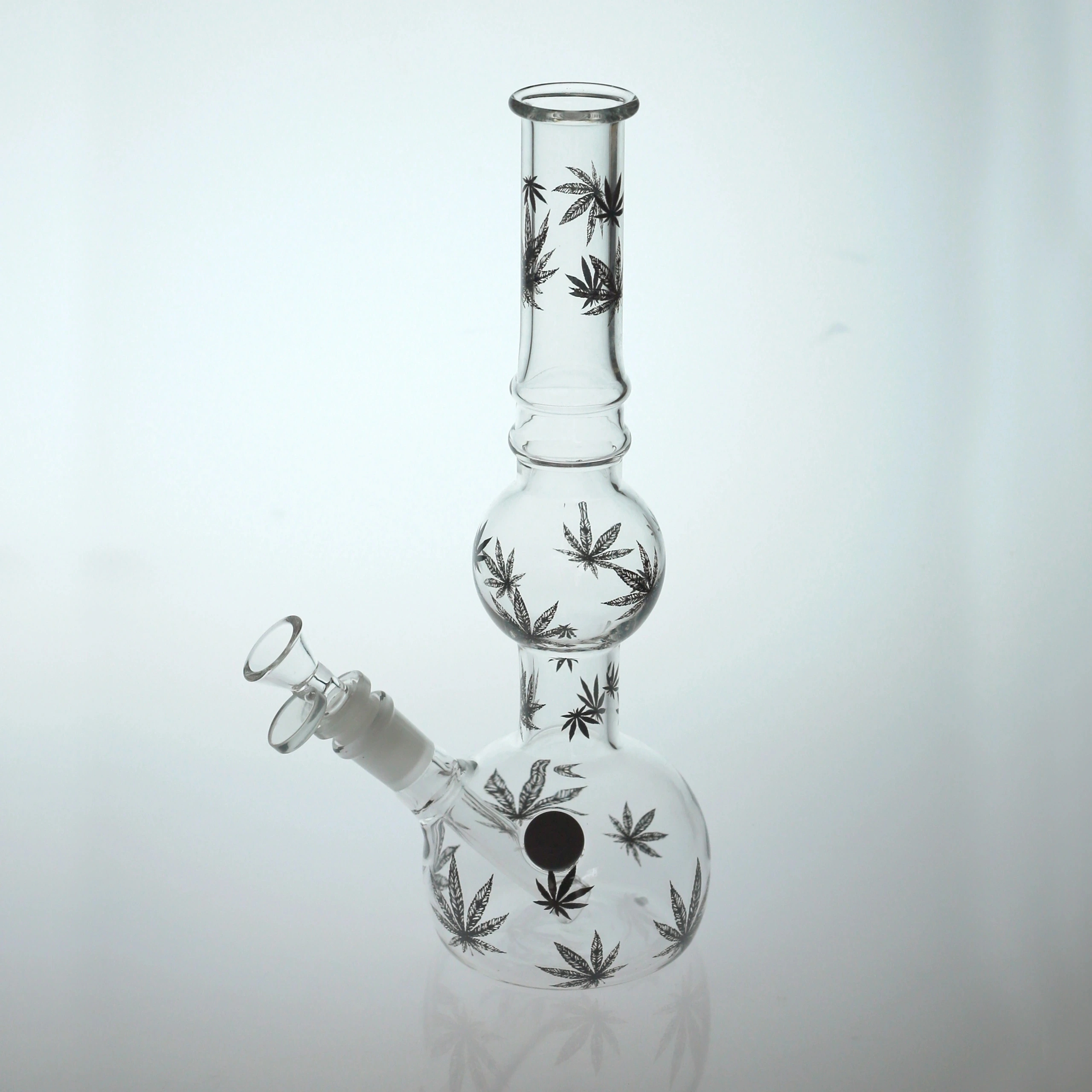
The history of the bong can be traced back thousands of years, with its origins believed to be in ancient Central Asia. The exact timeline and cultural origins are not entirely clear, but various forms of water pipes have been used by different civilizations throughout history. Here's an overview of the historical development of the bong:
1. Early Origins: The earliest evidence of water pipes used for smoking comes from ancient Central Asian cultures, particularly in present-day China, Russia, and the Middle East. Archaeological discoveries suggest that these cultures were using primitive versions of water pipes as early as 2400 BCE.
2. Asia and the Silk Road: The Silk Road, the ancient network of trade routes connecting Asia to Europe, played a significant role in the spread of water pipes. As the Silk Road flourished, the use of water pipes for smoking tobacco and other substances gradually spread to various Asian cultures, including India, Persia (modern-day Iran), and parts of Southeast Asia.
3. Ming Dynasty and the Hookah: During the Ming Dynasty in China (1368-1644 CE), the water pipe underwent further refinement and development. The Ming Dynasty is credited with inventing the early form of the hookah, a type of water pipe that originated in India and gained popularity throughout the Middle East and beyond.
4. The Expansion of Tobacco Use: With the exploration and colonization of the Americas, tobacco was introduced to Europe, leading to a significant increase in tobacco consumption. As smoking tobacco became more widespread, various cultures adopted and adapted water pipes to enhance the smoking experience.
5. Modern Bongs: The modern bong as we know it today began to emerge in the 20th century. In the 1960s and 1970s, during the counterculture movement and the rise of cannabis use, bongs gained popularity among smokers. Artists and glassblowers started creating more intricate and artistic designs, incorporating features like percolators, ice catchers, and multiple chambers to enhance filtration and cooling.
6. Continued Evolution: Over time, bongs have continued to evolve and diversify. Today, they come in various shapes, sizes, and materials, including glass, acrylic, ceramic, and silicone. Modern advancements have led to the development of more sophisticated percolation systems, recyclers, and other features that enhance the smoking experience.
It's important to note that the use of bongs and the substances smoked in them are subject to legal regulations and restrictions in many jurisdictions.