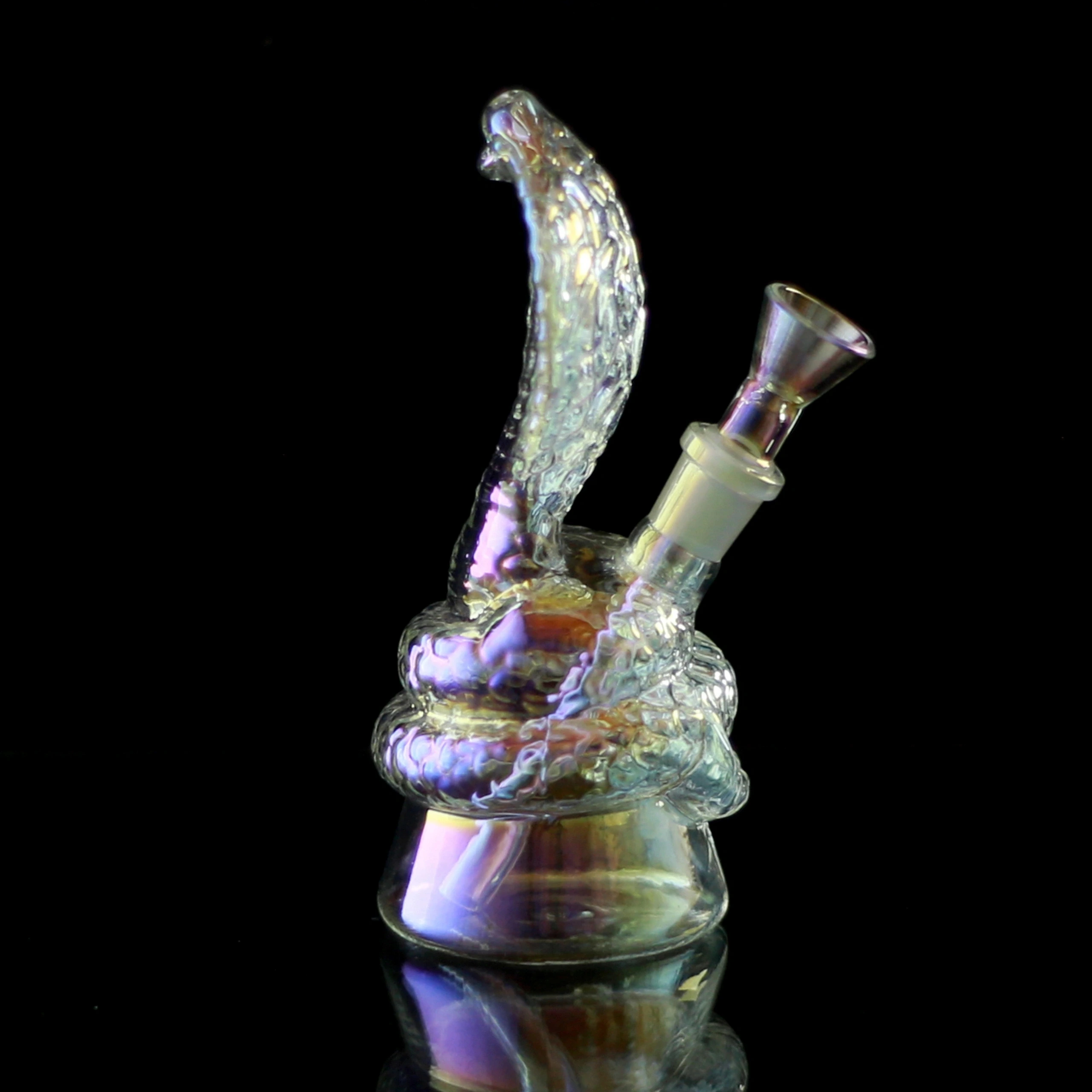
The history of headshops is closely tied to the cultural and social movements surrounding drug use, particularly cannabis, and the counterculture of the 1960s and 1970s. Here's an overview of the history of headshops:
1. Emergence in the 1960s: Headshops began to appear in the United States and Europe during the 1960s, coinciding with the rise of the hippie counterculture. These shops catered to the growing demand for drug paraphernalia, psychedelic substances, and alternative lifestyle products.
2. Counterculture and Drug Culture: Headshops became gathering places for individuals interested in exploring alternative lifestyles, experimenting with mind-altering substances, and embracing the values of peace, love, and personal freedom. They often sold items like pipes, rolling papers, incense, tie-dye clothing, posters, and other countercultural merchandise.
3. Legal Context: In many countries, the sale and possession of drug paraphernalia were (and still are) legal, as these items are primarily used for smoking tobacco or other legal substances. However, the legal status of certain products varied across jurisdictions.
4. Drug Policy and Regulation: As drug use and the counterculture movements attracted attention and scrutiny from authorities, governments implemented various drug policies and regulations. In some cases, legislation was introduced to restrict the sale of drug paraphernalia and certain substances, leading to periodic crackdowns on headshops.
5. Evolution and Diversification: Over time, headshops evolved to adapt to changing cultural and legal landscapes. They expanded their product offerings beyond drug paraphernalia to include items related to alternative spirituality, music, fashion, and other elements of counterculture.
6. Contemporary Headshops: Today, headshops continue to exist in many parts of the world, although their prominence and focus may vary depending on local laws and attitudes toward drug use. Some headshops have transitioned into legal cannabis dispensaries in regions where marijuana has been legalized.
The history of headshops reflects the intertwined narratives of drug culture, counterculture movements, and changing societal attitudes towards substances like cannabis. These establishments have served as important social hubs, providing a space for like-minded individuals to connect and explore alternative lifestyles.