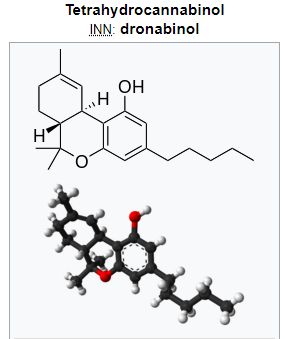
For many, the mere mention of cannabis brings to mind its most renowned compound: THC. Tetrahydrocannabinol, or THC, has been at the center of numerous discussions, researches, and cultural movements, mainly due to its psychoactive properties. But what exactly is THC, and why has it played such a pivotal role in the world of cannabis and beyond? Let's delve into the captivating realm of THC.
1. Understanding THC
At its essence, THC is one of over a hundred cannabinoids found in the cannabis plant. It's the primary compound responsible for the euphoric, altered state of consciousness commonly referred to as the "high" experienced when consuming cannabis.
2. The Science Behind THC's Effects
When consumed, THC interacts with the endocannabinoid system, a complex network in the human body responsible for regulating various physiological processes. THC primarily binds with the CB1 receptor, which is abundant in the brain, leading to its psychoactive effects.
3. Medical Uses of THC
Despite its recreational reputation, THC has notable therapeutic potentials:
- Pain Relief: THC can act as a powerful analgesic, alleviating pain in various conditions.
- Appetite Stimulation: Those undergoing treatments like chemotherapy often turn to THC-rich products to combat nausea and stimulate appetite.
- Sleep Aid: For some, THC can serve as an effective sleep inducer, aiding those with insomnia or disrupted sleep patterns.
4. Consuming THC
THC can be consumed in numerous ways:
- Smoking: The traditional method involving smoking dried cannabis flowers.
- Edibles: Foods infused with THC, offering a longer-lasting but delayed onset of effects.
- Tinctures and Oils: Liquid forms of THC that can be ingested directly or added to food and drinks.
- Vaporization: A method that heats cannabis without combustion, releasing THC in vapor form.
5. The Importance of Dosage
The effects of THC can vary widely based on the dosage:
- Low to Moderate Dosage: Users might experience relaxation, euphoria, heightened sensory experiences, and increased appetite.
- High Dosage: At elevated levels, THC might lead to paranoia, anxiety, and increased heart rate.
6. The Legality and Controversy
THC's psychoactive properties have made it a controversial compound, leading to varied legal statuses across the globe. While many regions have embraced medical (and in some cases, recreational) cannabis use, THC remains illegal in various countries and states.
Conclusion
THC remains one of the most recognized and extensively researched compounds in the cannabis plant. Its multifaceted nature – being both a source of therapeutic relief and recreational enjoyment – ensures its place in discussions about natural medicine, culture, and legalization for years to come.
Always consume THC responsibly, being aware of its effects, and in accordance with local regulations.