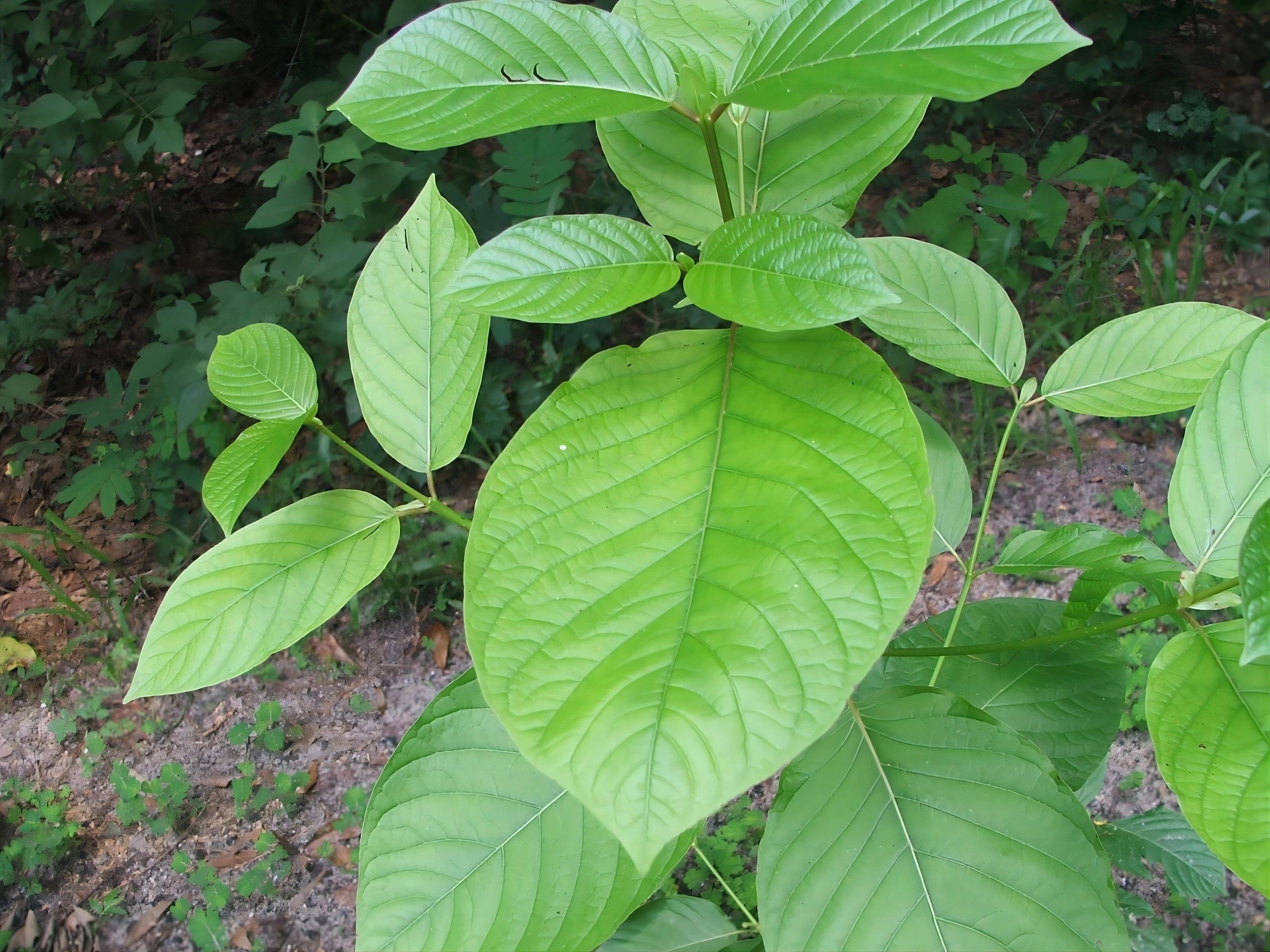
In the expansive world of natural remedies and botanicals, few have been as discussed and debated as Kratom. Hailing from Southeast Asia, this tropical tree, scientifically known as Mitragyna speciosa, has been at the center of a maelstrom of opinions, ranging from those touting its therapeutic benefits to others sounding the alarm on potential risks. This article seeks to provide an unbiased look at Kratom, its uses, benefits, and the ongoing debate surrounding it.
1. What is Kratom?
Kratom is a tropical evergreen tree native to Southeast Asian countries like Thailand, Malaysia, Indonesia, and Papua New Guinea. Traditionally, its leaves have been used for their medicinal properties, either chewed, brewed into tea, or processed into capsules, tablets, and extracts.
2. Potential Benefits of Kratom
- Pain Relief: Many users report that Kratom helps in alleviating chronic pain. It contains compounds that act on the body's opioid receptors, delivering analgesic effects.
- Mood Elevation: Some strains of Kratom are believed to have mood-boosting effects, potentially aiding those with anxiety or depressive disorders.
- Energy Boost: Certain Kratom strains are said to enhance energy and improve focus, making them popular among workers in its native regions.
- Opiate Withdrawal Relief: Some people use Kratom as an alternative to prescription opiates, and others have reported it aids in managing opiate withdrawal symptoms.
3. The Controversy Surrounding Kratom
Despite its potential benefits, Kratom isn't without its critics. Concerns about its safety, potential for addiction, and lack of regulatory oversight have made it a contentious topic among healthcare professionals and regulatory agencies.
- Safety Concerns: The side effects of Kratom can include nausea, itching, sweating, dry mouth, constipation, increased urination, and loss of appetite. In large amounts, it can be more severe.
- Legal Status: The legal status of Kratom varies by country and even within regions of countries. In some places, its sale and consumption are strictly regulated or banned.
4. Responsible Use
For those considering trying Kratom:
- Research: Understand the different strains and their effects. Not all Kratom is the same.
- Start Small: As with any substance, it's wise to start with a small dose to see how your body reacts.
- Avoid Combining: Mixing Kratom with other substances, especially alcohol and other drugs, can be dangerous.
5. The Ongoing Debate
The discussions around Kratom will likely continue as more research emerges. While some hail it as a miracle herb, others advise caution. The best approach is an informed one, ensuring decisions are based on evidence and understanding rather than hearsay.
Conclusion
Kratom stands as a testament to the complexities of nature and the ongoing challenges in understanding and harnessing its potential. Whether viewed as a therapeutic wonder or a potential risk, the conversation about Kratom is as multifaceted as the plant itself.
Note: This article is for informational purposes only and does not constitute medical advice or endorsement. Always consult with healthcare professionals and abide by local regulations when considering the use of Kratom or any other substance.