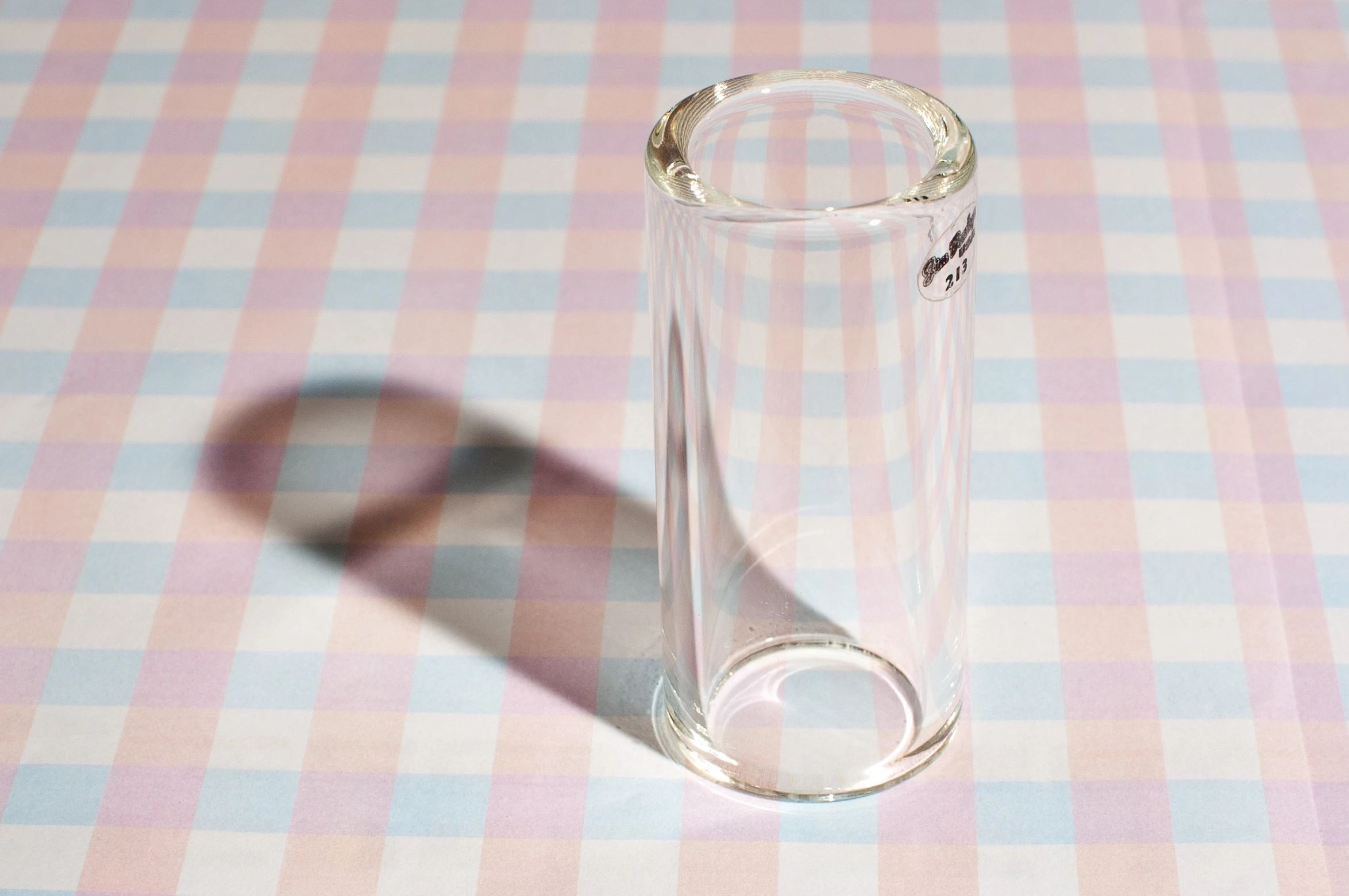
In the realm of glassmaking, not all glass is created equal. Among the different types available, borosilicate glass stands out as a clear frontrunner in both durability and versatility. It has become the preferred choice for a multitude of applications, from kitchenware to laboratory equipment. But what makes borosilicate glass so exceptional? Let's dive in to understand the unparalleled properties of this material.
1. What is Borosilicate Glass?
Borosilicate glass is a type of glass with silica and boron trioxide as its main glass-forming constituents. Its unique composition gives it a set of properties different from the more common soda-lime glass.
2. Unique Properties of Borosilicate Glass
- Thermal Resistance: One of the standout features of borosilicate glass is its ability to withstand rapid temperature changes without cracking. This makes it ideal for cookware and laboratory apparatuses that might undergo abrupt temperature shifts.
- Chemical Resistance: Borosilicate glass is highly resistant to chemicals, making it perfect for applications where it might come into contact with corrosive or reactive substances.
- Durability: This type of glass is less prone to breakage compared to traditional glass, giving it a longer life span and making it a cost-effective choice in the long run.
- Optical Clarity: Borosilicate glass offers excellent clarity, making it perfect for optical applications and premium drinkware.
3. Common Uses of Borosilicate Glass
Given its superior properties, borosilicate glass is the go-to choice for:
- Laboratory Equipment: Beakers, test tubes, and other lab tools are often made from this glass due to its thermal and chemical resistance.
- Cookware: Items such as baking dishes and measuring cups benefit from the glass's ability to handle high temperatures without cracking.
- Lighting Solutions: Its high melting point and resilience make it an ideal material for high-intensity lighting.
- Art: The durability and workability of borosilicate glass make it a favorite among glass artists.
4. Eco-Friendly and Safe
Being lead and heavy metal-free, borosilicate glass is non-toxic, making it safer for both the environment and the end-user. Its durable nature also means fewer replacements, reducing waste over time.
Conclusion
Borosilicate glass is a testament to the advancements in the world of materials science. Its unmatched resilience to temperature, clarity, and chemical resistance position it as a premium choice in diverse industries. Whether you're a scientist looking for reliable lab equipment or a home chef seeking the best bakeware, borosilicate glass remains the gold standard.
Always ensure that when purchasing products made from borosilicate glass, you are sourcing from reputable manufacturers to guarantee quality and safety.